1. Kamakura — The Coastal Temple Town (1 hour)
Best for: Great Buddha, temples, beach, relaxed atmosphere
Time needed: 5–6 hours
Transport: JR Yokosuka Line from Tokyo Station (~1 hour, covered by JR Pass)
Cost: ¥940 each way without JR Pass
The small coastal city 50km south of Tokyo has over 60 temples and shrines, the famous Great Buddha (Kotoku-in — a 13-meter bronze Buddha seated outdoors), and excellent hiking trails connecting temples through forested hillsides.
Best route:
- Kotoku-in (Great Buddha) → Hase-dera Temple (garden and sea views) → walk along Komachi-dori shopping street → optional beach at Yuigahama
Best time: Any season. Avoid Golden Week. Cherry blossoms in late March.
—
2. Nikko — The Ornate Mountain Shrines (2.5 hours)
Best for: Most ornate temple complex in Japan, mountain forest, autumn foliage
Time needed: Full day
Transport: Limited Express Kegon from Asakusa (Tobu Line, 2 hours, ¥2,860 each way) OR JR Nikko Line from Ueno/Shinjuku (covered by JR Pass, 2h40m with transfer)
Best time: October–November for autumn foliage
Nikko’s Tosho-gu shrine is staggering in its decorative excess — every surface carved and painted, gold leaf on every eave. It houses the mausoleum of Tokugawa Ieyasu, the shogun who unified Japan.
Don’t miss: The sleeping cat carving (Nemuri-neko), the three wise monkeys, Yomeimon Gate (the “sunset gate” — you could spend a day looking at its carvings).
Bonus: Kegon Falls (spectacular 97-meter waterfall, 30 minutes from Nikko by bus) and Lake Chuzenji.
—
3. Hakone — Views of Mount Fuji (1.5 hours)
Best for: Mount Fuji views, onsen (hot springs), mountain scenery, art museums
Time needed: Full day (or overnight)
Transport: Romancecar express from Shinjuku (1h25m, ¥2,470) or JR + Hakone Tozan Line (covered by JR Pass)
Recommendation: Hakone Free Pass (¥6,500) covers all transport within Hakone
Hakone is a mountain resort area facing Mount Fuji across Lake Ashi. On clear days — especially in winter — the views are extraordinary. The area has Japan’s best day trip transport network (cable cars, ropeway, lake pirate ships).
Best route:
- Hakone-Yumoto → Hakone Open Air Museum (¥1,600, exceptional sculpture garden) → Owakudani (volcanic valley, buy black eggs boiled in sulfur) → Lake Ashi pirate ship crossing → Hakone-machi for Fuji views
Mount Fuji visibility: Best November–February. Summer is often cloudy.
—
4. Mount Fuji & Fuji Five Lakes (2 hours)
Best for: Japan’s most iconic mountain, climbing (summer only), views
Time needed: Full day
Transport: Highway bus from Shinjuku to Kawaguchiko (2 hours, ¥2,000 each way) or JR + Fuji Excursion Limited Express
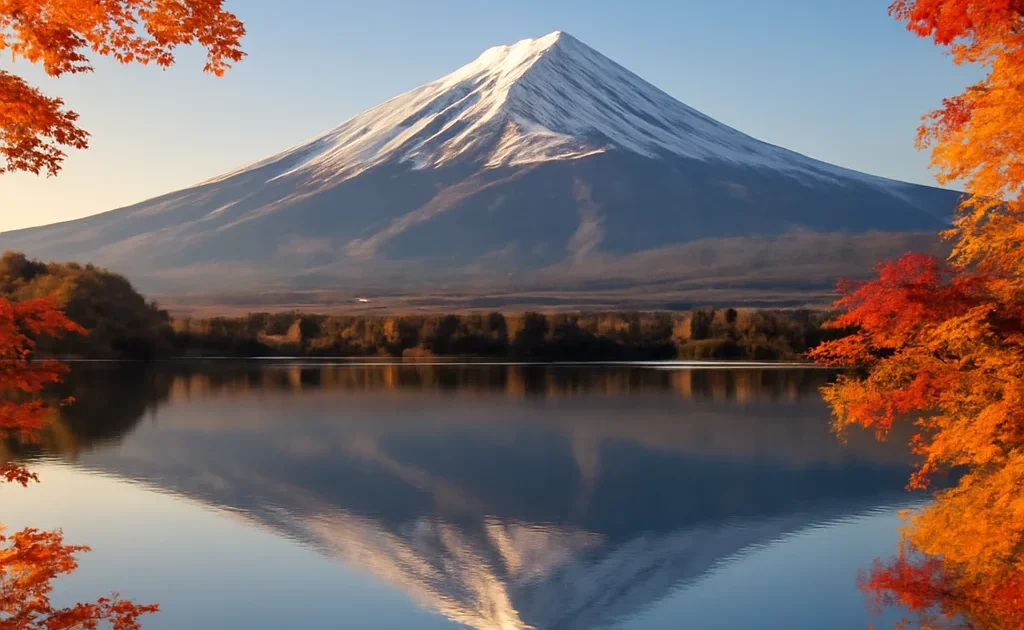
Kawaguchiko is the main lake town with the most famous Fuji views. The “inverted Fuji” reflection in the calm lake is one of Japan’s most reproduced images.
Climbing season: July 1 – September 10 only. The popular Yoshida Trail takes 5–7 hours up, 3–5 hours down.
If not climbing: Lake Kawaguchi viewpoints, Chureito Pagoda (20-minute walk up stairs — the pagoda-with-Fuji photo), Fuji Visitor Center.
—
5. Yokohama — Chinatown and Harbor (30 minutes)
Best for: China Town, harbor, modern architecture, Ramen Museum
Time needed: 4–5 hours
Transport: JR Tokaido Line or Keihintohoku Line from Tokyo (30–45 minutes, covered by JR Pass)
Japan’s second city is essentially part of the Tokyo metropolitan area. The Chinatown (Yokohama Chukagai) is the largest in Japan — 600+ restaurants and shops. The harbor district (Minato Mirai) has excellent modern architecture.
Don’t miss: Shin-Yokohama Ramen Museum — a recreated 1950s Tokyo street with restaurants serving regional ramen styles from across Japan.
—
6. Kawagoe — Little Edo (1 hour)
Best for: Preserved Edo-period merchant district, sweet potatoes, history
Time needed: 3–4 hours
Transport: Tobu Tojo Line from Ikebukuro (30–40 minutes, ¥470)
Kawagoe preserves a remarkable stretch of kura-zukuri (clay-walled warehouse) merchant buildings from the Edo period. The “little Edo” nickname is earned. Try imoyoki (sweet potato everything — this is the Kawagoe specialty).
—
7. Kusatsu Onsen — Japan’s Premier Hot Spring Town (3 hours)
Best for: Hot springs (onsen), yumomi bath ceremony, mountain scenery
Time needed: Full day or overnight
Transport: Shinkansen to Karuizawa + bus, or JR + local train (~3 hours total)
Kusatsu is consistently ranked Japan’s finest onsen destination. The Yubatake (hot water field) in the town center produces 32,000 liters of water per minute. The yumomu ceremony (cooling hot spring water by paddling with large wooden paddles to traditional song) runs several times daily.
—
8. Enoshima & Kamakura Combined (1.5 hours to Enoshima)
Best for: Beach, shrine island, combining with Kamakura
Time needed: Full day
Transport: Odakyu Line from Shinjuku to Katase-Enoshima (1h15m, ¥700)
Enoshima is a small island connected to the mainland by a bridge. A shrine complex winds up the hill with sea cave views at the bottom. Combine with Kamakura (20 minutes by Enoden tram) for a perfect coastal day.
—
Day Trip Booking Tips
Book early morning departures to maximize time at your destination. The Romancecar for Hakone and limited express for Nikko have reserved seating — book in advance.
Guided day trips to Nikko, Hakone and Mount Fuji include transport and skip-the-line access — worth it if you want a stress-free experience.
Book Tokyo day trips & guided tours on Klook →
* Affiliate link — we may earn a small commission at no extra cost to you.
Related Guides
- Tokyo travel guide
- Mount Fuji guide
- Hakone day trip guide
- Japan itinerary 2 weeks
- Japan rail pass guide
Plan Your Trip
- 🎫 Tours & activities — KKday
- 🏨 Hotels — EconomyBookings
- 🚕 Airport transfer — Welcome Pickups
- 📱 eSIM & SIM card — Airalo
- 🚗 Car & scooter rental — Localrent
- ✈️ Flights — Kiwi.com