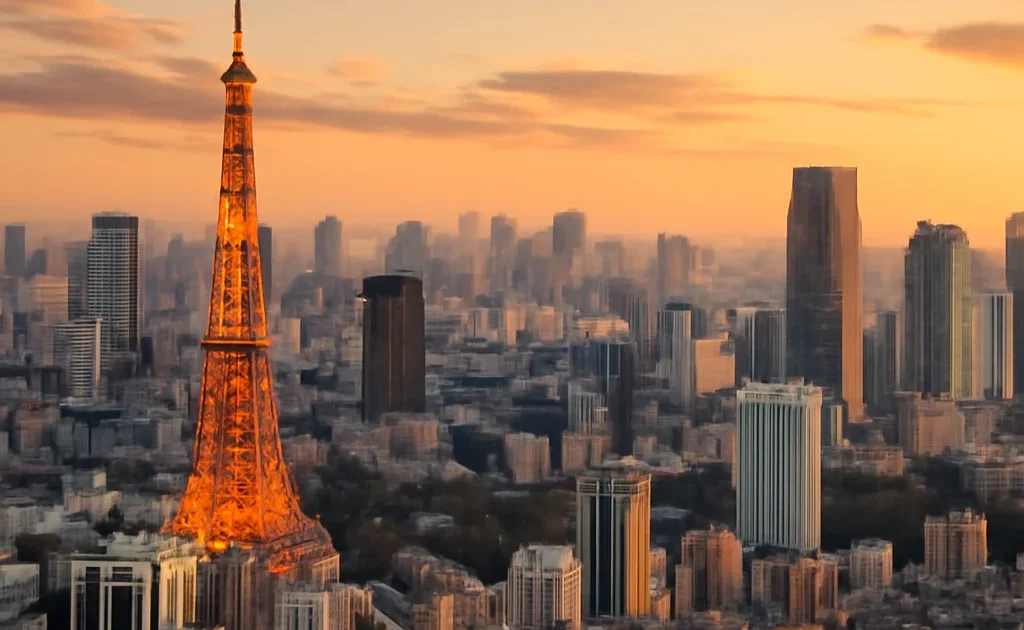
Tokyo Neighborhoods: Where to Go
Shinjuku
Tokyo’s busiest hub. The east side is dominated by department stores, restaurants on every floor of every building, and Kabukicho — Japan’s most famous entertainment district. The west side is corporate skyscrapers. Shinjuku station serves 3.5 million people daily — the world’s busiest station.
Go for: nightlife, eating, people-watching, the Tokyo Metropolitan Government Building (free observation deck)
Shibuya
Home to the world-famous Shibuya Crossing — the scramble intersection where up to 3,000 people cross simultaneously. Young, fashionable, energetic. Shibuya Sky observation deck has arguably the best views in Tokyo.
Go for: Shibuya Crossing, shopping, Shibuya Sky, youth culture
Asakusa
Old Tokyo. The city’s oldest temple (Senso-ji), rickshaw rides, traditional crafts, street food. The most historically atmospheric neighborhood in central Tokyo. A 5-minute walk from Skytree.
Go for: Senso-ji Temple, Nakamise shopping street, traditional atmosphere, Tokyo Skytree views
Harajuku
Two distinct worlds: Takeshita Street (youth fashion, crepes, cosplay) and Omotesando (luxury brands, architecture, adult fashion). Meiji Shrine is a 10-minute walk through forest.
Go for: Meiji Shrine, Takeshita Street, Omotesando shopping
Akihabara
Electronics, anime, manga, gaming. Even if you’re not into the subculture, it’s a fascinating glimpse into a uniquely Japanese world. Multi-floor electronics stores, maid cafes, retro gaming shops.
Go for: electronics, anime culture, multi-floor arcade games
Ginza
Tokyo’s most upscale shopping district. Apple Store, flagship luxury brands, excellent art galleries. More interesting architecturally than most luxury shopping districts globally.
Go for: window shopping, architecture, Tsukiji Market (10-minute walk)
Yanaka
One of the few neighborhoods that survived WWII bombing intact. Temples, old wooden houses, cats, independent shops, cemetery walks. Genuine old Tokyo atmosphere without tourists.
Go for: authentic local atmosphere, photography, a break from modern Tokyo
Shimokitazawa
Bohemian, creative, laid-back. Vintage clothing stores, independent coffee shops, small live music venues, independent bookshops. Popular with Tokyo’s creative class.
Go for: vintage shopping, coffee, live music, local atmosphere
—
Top Things to Do in Tokyo
Senso-ji Temple (Asakusa)
Tokyo’s oldest and most visited temple. The giant red lantern at Kaminarimon gate is one of Japan’s most photographed objects. Go before 8am for the best experience — the temple is open 24 hours and the early morning atmosphere is genuinely special.
Meiji Shrine (Harajuku)
Peaceful forested shrine dedicated to Emperor Meiji. Complete contrast to the urban chaos outside. The forested path is meditative. Free entry.
Shibuya Crossing
The world’s most famous pedestrian crossing. Best experienced at rush hour (5–7pm) from the Starbucks window or from Mag’s Park viewpoint. At night it’s electric.
Tokyo Skytree
The world’s second-tallest structure. Views extend to Mount Fuji on clear days. Book tickets online to skip the queue. Best at sunset when city lights come on.
teamLab Planets (Toyosu) / teamLab Borderless
Immersive digital art spaces — genuinely unlike anything else in the world. Book weeks in advance. Allow 2–3 hours. Worth every yen.
Tsukiji Outer Market
The inner wholesale market moved to Toyosu, but the outer market remains. Breakfast sushi at 7am, tamagoyaki rolled in front of you, fresh seafood on sticks. One of Tokyo’s great food experiences.
Tokyo National Museum (Ueno)
Japan’s largest museum. Extraordinary collection of Japanese art, ceramics, samurai armor, Buddhist sculpture. Allow 3+ hours.
Shinjuku Gyoen
Tokyo’s finest garden. Three distinct garden styles — French formal, English landscape, Japanese traditional. Cherry blossoms in spring, serene in autumn. ¥500 entry.
Robot Restaurant (Shinjuku)
Pure spectacle — not about the food (which is mediocre) but about the robots, lasers, taiko drums and theatrical chaos. Touristy but genuinely memorable. Book ahead.
Teamlab and Mori Art Museum (Roppongi)
Mori Art Museum on the 53rd floor of Roppongi Hills. Contemporary art with extraordinary city views. Open until 10pm.
—
Where to Stay in Tokyo
Best Areas for First-Time Visitors
Shinjuku: Central, excellent transport links to everywhere. Wide range of accommodation. Can be noisy at night near Kabukicho.
Asakusa: Traditional atmosphere, excellent for sightseeing, near Skytree. Good value compared to Shibuya/Shinjuku.
Shibuya: Young, energetic, excellent access to Harajuku and Omotesando. Good mid-range options.
Ginza/Tokyo Station area: Business hotel central, excellent Shinkansen access. More expensive.
Accommodation Types
Capsule hotels (¥3,000–5,000/night): Uniquely Japanese experience. Individual pod, shared bathroom. Clean, efficient, excellent value. Best for solo travelers.
Business hotels (¥8,000–15,000/night): Small but efficient rooms, usually excellent location and service. Toyoko Inn, Dormy Inn, APA Hotel chains are reliable.
Mid-range hotels (¥15,000–30,000/night): More space and amenities. Good options in all neighborhoods.
Ryokan (¥20,000–80,000/night): Traditional Japanese inn with tatami floors, futon beds, yukata robes, multi-course dinner. The definitive Japan accommodation experience.
—
Getting Around Tokyo
Tokyo’s train network is extraordinary — the most extensive in the world. Get a Suica card at the airport on arrival and tap in and out of every train and bus.
JR Lines: Surface trains covering most major routes. Covered by Japan Rail Pass.
Tokyo Metro: Underground network covering central Tokyo. Not covered by JR Pass — pay with Suica.
Toei Subway: Second underground network. Also pay with Suica.
Google Maps: Works perfectly for Tokyo navigation. Always shows the cheapest and fastest train routes.
Taxi: Available everywhere but expensive. Use Grab or S.Ride app for easier payment.
—
Tokyo Food: What to Eat
Tokyo has more Michelin stars than any other city in the world. But you’ll eat as well for ¥800 as you will for ¥80,000 — the quality floor in Tokyo is extraordinarily high.
Ramen: The definitive Tokyo meal. Shoyu (soy sauce) broth is the classic Tokyo style.
Sushi: From ¥100/piece at conveyor belt (kaiten) restaurants to ¥30,000+ for omakase at Sukiyabashi Jiro.
Yakitori: Grilled chicken skewers at izakayas — with beer, ¥2,000–3,000 total.
Tonkatsu: Deep-fried breaded pork at chains like Maisen (Omotesando) or Saboten.
Convenience store food: Genuinely excellent. 7-Eleven Japan onigiri and sandwiches are better than many cafe meals elsewhere.
—
Tokyo Budget Guide
| Category | Budget | Mid-range | Comfortable |
|---|---|---|---|
| Accommodation | ¥4,000 (capsule) | ¥12,000 (business hotel) | ¥25,000+ |
| Food (daily) | ¥2,000 | ¥4,000 | ¥8,000+ |
| Transport (daily) | ¥500–800 | ¥800–1,200 | ¥1,500+ |
| Activities | ¥500–1,000 | ¥2,000–3,000 | ¥5,000+ |
| **Daily total** | **¥7,000–8,000** | **¥18,000–20,000** | **¥40,000+** |
—
Tokyo Practical Tips
Cash: Many smaller restaurants and shops are cash-only. Always carry ¥5,000–10,000.
Queuing: Tokyo queues for everything. It’s orderly, fast, and respected — join the queue.
Shoes: You’ll walk 15,000–25,000 steps daily. Wear comfortable shoes.
Pocket WiFi / eSIM: Essential. Buy before you fly.
Google Translate camera: Point at Japanese menus for instant translation.
Convenience stores: Your best friend. ATMs, food, toiletries, medicines, umbrellas, phone chargers — all at 3am if needed.
—
Book teamLab, Tokyo Skytree, day trips and food tours in advance — popular slots sell out weeks ahead, especially during cherry blossom season.
Book Tokyo tours & experiences on Klook →
* Affiliate link — we may earn a small commission at no extra cost to you.
Related Guides
- Tokyo Itinerary 3 Days
- Tokyo Itinerary 5 Days
- Best Time To Visit Japan
- Japan Itinerary 2 Weeks
- Best Ramen In Tokyo
Plan Your Trip
- 🎫 Tours & activities — KKday
- 🏨 Hotels — EconomyBookings
- 🚕 Airport transfer — Welcome Pickups
- 📱 eSIM & SIM card — Airalo
- 🚗 Car & scooter rental — Localrent
- ✈️ Flights — Kiwi.com