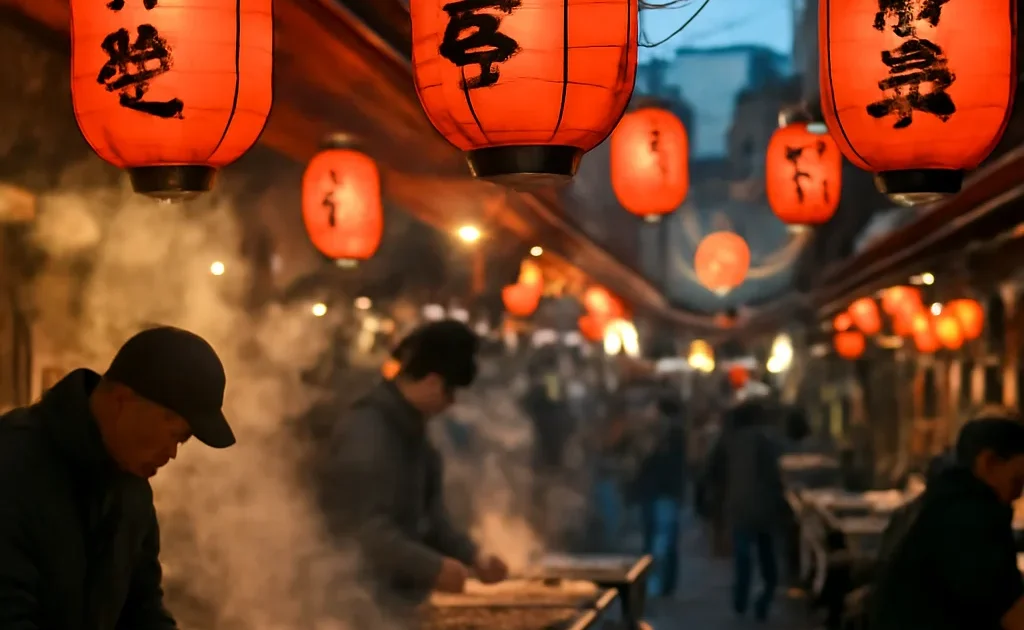
Overview: 14-Day Japan Itinerary
| Days | Location |
|---|---|
| Days 1–5 | Tokyo |
| Day 6 | Day trip: Nikko or Kamakura |
| Days 7–9 | Kyoto |
| Day 10 | Day trip: Nara |
| Days 11–12 | Osaka |
| Day 13 | Day trip: Hiroshima & Miyajima |
| Day 14 | Osaka → departure |
—
Before You Go: Japan Essentials
Japan Rail Pass: For this itinerary, buy a 14-day JR Pass before you leave home. It covers the Shinkansen between Tokyo, Kyoto, Osaka and Hiroshima, saving you significant money.
IC Card (Suica/Pasmo): Buy at the airport on arrival. Load ¥3,000–5,000. Used for all local trains, buses, and convenience store purchases.
Cash: Japan is still largely cash-based. Withdraw ¥50,000–100,000 on arrival at airport ATMs (7-Bank or JP Post ATMs accept international cards).
eSIM: Buy before you go — Airalo, Holafly or similar. Japan has excellent 4G/5G coverage everywhere.
—
Days 1–5: Tokyo
Day 1 — Arrival & Shinjuku
Arrive at Narita or Haneda, buy your Suica card, take the train to your hotel. Keep Day 1 light — jet lag is real.
Evening: Walk around Shinjuku — the neon-lit chaos is the perfect introduction to Tokyo. Have dinner at a standing ramen bar or izakaya. Don’t try to do too much.
Day 2 — Shibuya, Harajuku, Meiji Shrine
- Start at Meiji Shrine (Harajuku) — serene forest in the middle of the city, free entry
- Walk through Takeshita Street for Tokyo street fashion and crepes
- Omotesando for luxury shopping and architecture
- Shibuya Crossing — visit at rush hour (5–7pm) for maximum chaos
- Dinner in Shibuya or Ebisu
Day 3 — Asakusa & Akihabara
- Senso-ji Temple (Asakusa) — Tokyo’s oldest temple. Go early morning (before 8am) to beat crowds
- Walk through Nakamise shopping street for souvenirs
- Akihabara — electronics, anime and gaming district. Even if you’re not into it, it’s a fascinating subculture
- Evening: Tokyo Skytree observation deck for city views (book tickets in advance)
Day 4 — Tsukiji, Ginza, teamLab
- Tsukiji Outer Market — breakfast at the fish market. Sushi at 7am is perfectly acceptable
- Ginza — Tokyo’s most upscale shopping district
- teamLab Planets (Toyosu) or teamLab Borderless — book well in advance, these immersive art spaces sell out. Allow 2–3 hours
- Dinner in Roppongi or back to your neighborhood
Day 5 — Hamarikyu, Yanaka, Shimokitazawa
- Hamarikyu Gardens — traditional garden with skyscraper backdrop
- Yanaka — old Tokyo neighborhood that survived WWII bombing. Temples, cats, independent shops
- Shimokitazawa — Tokyo’s bohemian neighborhood. Vinyl record shops, vintage clothing, small live music venues
- Final dinner in Tokyo — try a high-quality sushi omakase if budget allows
—
Day 6 — Day Trip: Nikko or Kamakura
Nikko (2.5 hours from Tokyo): Ornate shrines and temples in a mountain forest. Tosho-gu shrine is one of Japan’s most lavishly decorated. Go in autumn for spectacular foliage.
Kamakura (1 hour from Tokyo): Coastal town with the famous Great Buddha (Kotoku-in). Pleasant beaches and forested hiking trails between temples.
**Tip:** If it’s cherry blossom season, skip the day trip and spend an extra day in Tokyo parks.
—
Days 7–9: Kyoto
Take the Shinkansen Tokyo → Kyoto (2h15m, covered by JR Pass).
Day 7 — Fushimi Inari, Gion
- Fushimi Inari Taisha — the famous thousands-of-torii-gates shrine. Start at dawn (6–7am) to have the lower section to yourself. The full hike to the summit is 2–3 hours round trip.
- Nishiki Market — Kyoto’s narrow covered food market. Lunch here.
- Gion district — traditional geisha district. Walk along Hanamikoji-dori at dusk — highest chance of spotting geiko (Kyoto geisha)
- Evening: Yasaka Shrine is beautifully lit at night
Day 8 — Arashiyama
- Arashiyama Bamboo Grove — go before 8am, it’s the only way to experience it without crowds
- Tenryu-ji Temple — stunning garden, UNESCO World Heritage Site
- Monkey Park (optional) — climb the hill for views over Kyoto
- Afternoon: rent a bicycle and explore Kyoto’s cycling paths
- Kinkaku-ji (Golden Pavilion) — iconic but always crowded. Worth seeing briefly.
Day 9 — Philosopher’s Path, Nijo Castle
- Philosopher’s Path (early morning) — quiet canal walk lined with cherry trees or autumn maples
- Nanzen-ji Temple — one of Kyoto’s most important Zen temples, less crowded than Fushimi Inari
- Nijo Castle — impressive castle with nightingale floors
- Afternoon tea at a traditional Kyoto tea house
- Evening: kaiseki dinner (traditional Kyoto multi-course meal) — splurge if budget allows
—
Day 10 — Day Trip: Nara
Nara is 45 minutes from Kyoto by train (or 30 from Osaka).
- Todai-ji Temple — houses Japan’s largest bronze Buddha statue. Impressive scale.
- Nara Park — hundreds of wild deer roam freely. They will absolutely headbutt you for crackers (shika senbei, sold everywhere). This is expected and delightful.
- Kasuga Taisha — ancient shrine with hundreds of stone lanterns
- Return to Kyoto or head directly to Osaka for the night
—
Days 11–12: Osaka
Kyoto → Osaka is 15 minutes by Shinkansen or 30 minutes by local train (not JR Pass).
Day 11 — Osaka Castle, Dotonbori
- Osaka Castle and surrounding park — views from the tower are excellent
- Afternoon: wander and eat. Osaka is Japan’s food capital.
- Dotonbori at night — the famous canal district with giant crab signs, takoyaki, and crowds. Touristy but unmissable.
- Kuromon Ichiba Market — Osaka’s kitchen market, closes early evening
Day 12 — Free day / Osaka neighborhoods
- Shinsekai — retro working-class neighborhood, cheap kushikatsu (deep-fried skewers)
- Amerika-mura — street fashion and vintage shops
- Day trip option: Kobe (25 minutes) for Kobe beef and harbor views
- Final night in Osaka — eat everything
—
Day 13 — Day Trip: Hiroshima & Miyajima
Take the Shinkansen Osaka → Hiroshima (1h15m, JR Pass).
- Hiroshima Peace Memorial Park and Museum — powerful, essential, allow 3 hours. Atomic Bomb Dome.
- Miyajima Island (45-minute ferry from Hiroshima) — the floating torii gate of Itsukushima Shrine. Most famous image of Japan.
- Walk around the island, see the deer, eat oysters (Hiroshima’s specialty)
- Return to Osaka or Kyoto for the night
—
Day 14 — Departure
Most international flights from Osaka depart from Kansai International Airport (KIX), connected by train to Osaka and Kyoto.
From Tokyo: flights depart from Narita (NRT) or Haneda (HND). If departing from Tokyo, take the Shinkansen back on Day 14 morning (allow 3+ hours).
—
2-Week Japan Budget Breakdown
| Expense | Budget traveler | Mid-range | Comfortable |
|---|---|---|---|
| Accommodation (14 nights) | $560 ($40/night) | $1,400 ($100/night) | $2,800 ($200/night) |
| Japan Rail Pass (14-day) | $500 | $500 | $500 |
| Local transport | $100 | $150 | $200 |
| Food | $420 ($30/day) | $840 ($60/day) | $1,400 ($100/day) |
| Activities/entrance fees | $100 | $200 | $400 |
| **Total** | **~$1,680** | **~$3,090** | **~$5,300** |
—
Book Your Japan Hotels
Start with Tokyo (Days 1–5) and Kyoto (Days 7–9) — these fill up first during cherry blossom and autumn foliage seasons.
Book teamLab, day trips and experiences in advance — popular slots sell out weeks ahead during peak season.
Book Japan tours & activities on Klook →
* Affiliate link — we may earn a small commission at no extra cost to you.
—
Related Guides
- Best time to visit Japan
- Japan rail pass guide
- Tokyo travel guide
- Kyoto travel guide
- Japan on a budget
Plan Your Trip
- 🎫 Tours & activities — KKday
- 🏨 Hotels — EconomyBookings
- 🚕 Airport transfer — Welcome Pickups
- 📱 eSIM & SIM card — Airalo
- 🚗 Car & scooter rental — Localrent
- ✈️ Flights — Kiwi.com