Before You Start: Practical Setup
Get a Suica card at the airport — load ¥3,000–5,000, use it for every train and bus.
Download Google Maps offline for Tokyo — works perfectly for navigation.
Book in advance: teamLab (both locations sell out), Tokyo Skytree (optional but saves time), Robot Restaurant (if interested).
Start early. Popular sites are dramatically more pleasant before 9am. The Japanese are early risers — breakfast culture is strong, and early mornings are the secret to enjoying Tokyo’s famous spots without crowds.
—
Day 1 — Asakusa, Akihabara, Shinjuku
Morning: Asakusa (8:00–11:00)
Start at Senso-ji Temple before the crowds arrive. At 8am you’ll share it with locals making morning prayers and a handful of early-rising tourists. By 10am it’s packed.
- Walk through Kaminarimon gate and down Nakamise shopping street
- Enter the main temple hall — remove shoes only in designated areas
- Explore the side streets behind the temple: Denpoin-dori for traditional crafts
Breakfast: Asakusa Imahan for Japanese breakfast sets, or grab onigiri and coffee from a convenience store and eat in the temple grounds.
Late Morning: Tokyo Skytree (11:00–13:00)
A 10-minute walk from Senso-ji. Buy tickets online to skip the queue. The views on clear days extend to Mount Fuji (best in winter — November to February).
Afternoon: Akihabara (13:00–16:00)
15 minutes by train from Asakusa. Even if electronics and anime aren’t your thing, Akihabara is worth 2 hours as pure cultural experience.
- Multi-floor electronics megastores (Yodobashi Camera — 8 floors)
- Retro gaming shops with original Famicom and Sega cartridges
- Maid cafes if curious (¥500–1,000 entrance fee)
- Animate for anime merchandise
Evening: Shinjuku (17:00–late)
Train to Shinjuku (20 minutes).
- Tokyo Metropolitan Government Building — free observation deck, open until 10:30pm on most evenings. Best city views that are free.
- Dinner in Omoide Yokocho (Memory Lane) — tiny alley of yakitori stalls, smoke-filled, standing only, extraordinarily atmospheric. ¥2,000–3,000.
- Evening walk through Kabukicho — Japan’s most famous entertainment district.
—
Day 2 — Harajuku, Shibuya, Ebisu, Meguro
Morning: Meiji Shrine & Harajuku (9:00–12:00)
- Meiji Shrine (opens at sunrise) — 10-minute forested walk to the main shrine. Peaceful, beautiful, free.
- Takeshita Street — peak Harajuku youth fashion. Open from 10am. Crepes, cotton candy, extraordinary outfits.
- Omotesando — luxury brands and exceptional architecture (Prada building by Herzog & de Meuron, TOD’S building by Toyo Ito)
Afternoon: teamLab (13:00–16:00)
Choose one:
- teamLab Planets (Toyosu) — immersive, you walk through water, mirrors, and flowers. More intimate and focused. 60–90 minutes.
- teamLab Borderless (Azabudai Hills, reopened 2024) — larger, more expansive. 2–3 hours.
Both require advance booking. Absolutely worth it.
Late Afternoon: Shibuya (16:30–19:00)
- Shibuya Sky observation deck (book online) — 360° views, best around sunset
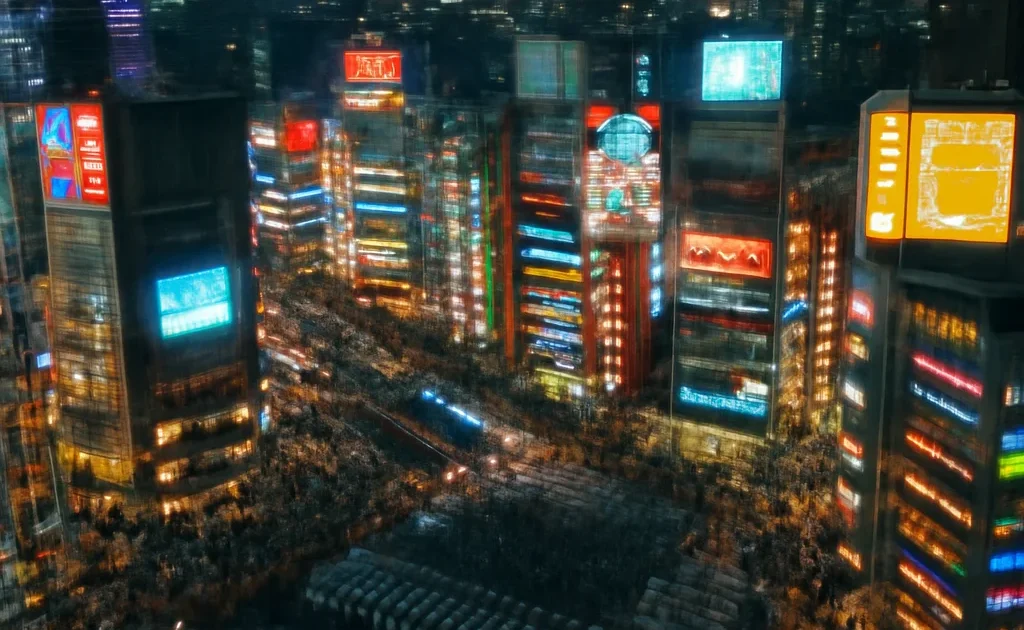
- Walk to Shibuya Crossing for rush hour (5:30–7pm) — watch from Starbucks window or street level
Evening: Dinner in Ebisu or Daikanyama
15-minute walk from Shibuya. More relaxed, higher quality restaurants, local atmosphere.
Recommended: Afuri (yuzu ramen), Eataly Tokyo (Italian-Japanese fusion), any izakaya on a side street.
—
Day 3 — Tsukiji, Ginza, Yanaka or Shimokitazawa
Morning: Tsukiji Outer Market (7:00–10:00)
Go hungry. The outer market has dozens of stalls selling fresh seafood, tamagoyaki (rolled egg), street food.
- Breakfast sushi: Sushi Dai or Daiwa Sushi (both have queues that start before opening)
- Faster option: grab a tuna skewer, grilled scallops, or fresh oysters from market stalls
- Buy Japanese kitchen knives if interested — Tsukiji has excellent knife shops
Late Morning: Ginza (10:00–12:00)
15-minute walk from Tsukiji. Window shop the flagship stores, visit Itoya (8-floor stationery store — genuinely extraordinary), grab coffee at a Ginza kissaten (old-school coffee shop).
Afternoon: Choose Your Tokyo
Option A — Yanaka: Take the train to Nippori (30 minutes). Old Tokyo neighborhood with wooden temples, cats everywhere, cemetery walks, independent shops. The most authentic neighborhood in central Tokyo.
Option B — Shimokitazawa: Young, creative, bohemian. Vinyl records, vintage clothing, small theatres, independent coffee. Tokyo’s Brooklyn.
Option C — More Shinjuku: Shinjuku Gyoen garden (¥500, beautiful any season), more eating and shopping.
Evening: Farewell Dinner
Tokyo’s standing bar culture: find a tachinomi (standing drink) spot in any neighborhood. Order draft beer (nama biru) and yakitori. Total: ¥1,500–2,000. Perfect Tokyo farewell.
—
3-Day Tokyo Budget
| Accommodation (3 nights) | ¥12,000 (capsule) | ¥36,000 (business hotel) |
|---|---|---|
| Food | ¥8,000 | ¥18,000 |
| Transport | ¥2,500 | ¥3,500 |
| Activities | ¥4,000 | ¥8,000 |
| **Total** | **¥26,500 (~$175)** | **¥65,500 (~$440)** |
—
teamLab and Tokyo Skytree sell out — especially on weekends and during cherry blossom season. Book at least a week ahead.
Book Tokyo tours & skip-the-line tickets on Klook →
* Affiliate link — we may earn a small commission at no extra cost to you.
Related Guides
- Tokyo travel guide
- Tokyo itinerary 5 days
- Best time to visit Japan
- Best ramen in Tokyo
- Japan itinerary 2 weeks
Plan Your Trip
- 🎫 Tours & activities — KKday
- 🏨 Hotels — EconomyBookings
- 🚕 Airport transfer — Welcome Pickups
- 📱 eSIM & SIM card — Airalo
- 🚗 Car & scooter rental — Localrent
- ✈️ Flights — Kiwi.com