Getting to Nikko
Option A: Tobu Nikko Line (Recommended — Faster)
From Asakusa: Tobu Limited Express “Spacia” or “Revaty” to Nikko (1h55m, ¥2,860 each way, reserved seating required).
Not covered by JR Pass, but the Tobu Nikko Pass (¥4,780 from Asakusa) covers the round trip and buses within Nikko.
Option B: JR + Nikko Line (JR Pass holders)
From Ueno or Shinjuku: JR to Utsunomiya then Nikko Line (total ~2h40m with transfer, covered by JR Pass).
Less convenient but free with pass.
—
Day Trip Itinerary
7:00 — Depart Tokyo
Early departure is essential — Nikko’s shrines are best in morning light before tour groups arrive.
9:00 — Arrive Nikko, Take Bus to Shrines
Buses run from Nikko Station to the shrine complex (10 minutes, ¥360, or included in Nikko Pass). Walking is possible (30 minutes uphill).
9:15 – 12:00 — Tosho-gu & Surrounding Shrines
Rinnoji Temple: Large temple complex at the entrance. The Sanbutsudo hall contains three gilded 8-meter Buddha statues.
Tosho-gu Shrine: The main event. Buy the combined entry ticket (¥1,300 for Tosho-gu + Rinnoji) at the shrine entrance.
What to see at Tosho-gu:
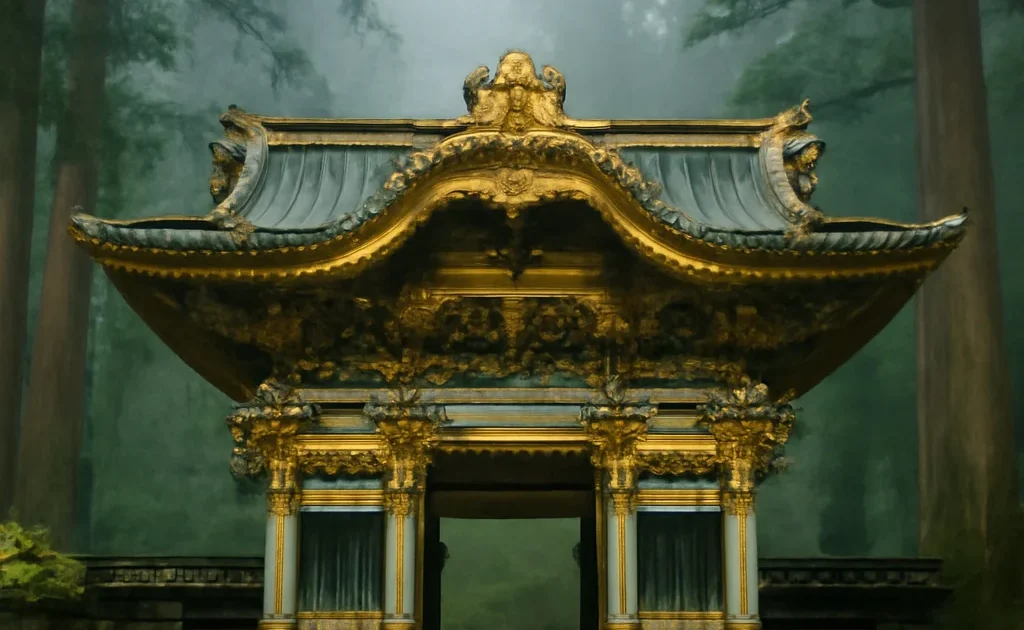
- Yomeimon Gate (Twilight Gate): The most ornate gate in Japan — 508 different carvings cover every surface. Said to be so beautiful that craftsmen left one pillar upside-down deliberately to avoid perfection angering the gods.
- Nemuri-neko (Sleeping Cat): Small carving above a gate, surprisingly subtle for something so famous.
- Three Wise Monkeys: Above the Sacred Stable (mizaru, kikazaru, iwazaru — see no evil, hear no evil, speak no evil).
- Okusha Treasure Tower: The mausoleum itself, up 200 stone stairs through cedar forest. The tomb of Tokugawa Ieyasu.
Allow 2.5–3 hours for the full shrine complex.
12:30 — Lunch in Nikko Town
Walk back down to Nikko town for lunch. Nikko specialties: yuba (tofu skin) in various forms, miso nikomi udon.
14:00 — Kegon Falls & Lake Chuzenji (Optional)
Bus from Nikko Shrine area to Chuzenji Lake (40 minutes, included in Nikko Pass).
Kegon Falls: 97-meter waterfall, one of Japan’s three great waterfalls. The observation elevator (¥600) takes you to the base for close-up views. Spectacular in autumn and after heavy rain.
Lake Chuzenji: Crater lake 1,269m above sea level. Walking paths, onsen ryokans, mountain views. A quieter option if you skip the falls.
16:30 — Return to Nikko Station, Train to Tokyo
—
Best Time to Visit Nikko
Autumn foliage (October–November): Nikko is arguably Japan’s finest autumn foliage destination. The cedar forest surrounding the shrines turns brilliant colors, and the mountain scenery above Lake Chuzenji is extraordinary. October–November is the best time to visit.
Spring (late April): Cherry blossoms coincide with the Yayoi Festival (mid-April) — mikoshi processions through the shrine complex.
Summer (July–August): Green and lush but crowded (domestic tourism peaks). Hot in town, cool at Lake Chuzenji altitude.
Winter (December–February): Snow-covered shrines are beautiful. Very few tourists. Some facilities reduced.
—
Nikko Tips
Buy the combined entry ticket for Tosho-gu + Rinnoji (¥1,300) — more economical than individual tickets.
Go clockwise through the shrine complex — this is the natural flow and puts Yomeimon gate as a climax rather than an entrance.
Morning light is best for photography. The cedar trees create dappled light in the morning hours.
Weekdays in autumn are significantly less crowded than weekends.
—
Guided Nikko day trips from Tokyo handle all transport logistics including the Tobu train and shrine entry — ideal if you want to focus on the experience rather than navigation.
Book Nikko day trips from Tokyo on Klook →
* Affiliate link — we may earn a small commission at no extra cost to you.
Related Guides
Plan Your Trip
- 🎫 Tours & activities — KKday
- 🏨 Hotels — EconomyBookings
- 🚕 Airport transfer — Welcome Pickups
- 📱 eSIM & SIM card — Airalo
- 🚗 Car & scooter rental — Localrent
- ✈️ Flights — Kiwi.com