Day 1 — Fushimi Inari & Gion
Early Morning: Fushimi Inari (6:30–9:30)
Take the first train to Inari Station (10 minutes from Kyoto Station, JR Nara Line). Arrive by 6:30–7am.
Walk up through the torii gates. The lower section photographs are all taken in the first 15 minutes. Continue higher — the crowds thin dramatically after the first major intersection. The summit takes 2 hours round trip from the base.
Breakfast: Convenience store onigiri eaten at a shrine rest stop. Or descend back to Fushimi for a proper breakfast by 9:30am.
Morning: Fushimi Sake District (9:30–11:00)
Fushimi is Kyoto’s sake production district. Gekkeikan Okura Sake Museum (¥400) shows the brewing process with a tasting at the end. The canal streets around the Teradaya inn are photogenic.
Afternoon: Nishiki Market & Downtown (12:00–16:00)
Train back to central Kyoto. Nishiki Market for lunch browsing (tofu, grilled mochi, pickles, fresh oysters). Walk Shijo-dori and Kawaramachi for shopping.
Evening: Gion at Dusk (16:30–19:00)
Walk Hanamikoji-dori in Gion from 5pm. This is the best time to see geiko — they travel to evening appointments between 5:30–7pm. Walk quietly, don’t block the narrow lanes.
Yasaka Shrine at the end of Shijo-dori — beautifully lit in the evening, free entry.
Dinner: Izakaya on Pontochō (narrow alley running parallel to Gion). More atmospheric than Gion itself for dining.
—
Day 2 — Arashiyama & Western Temples
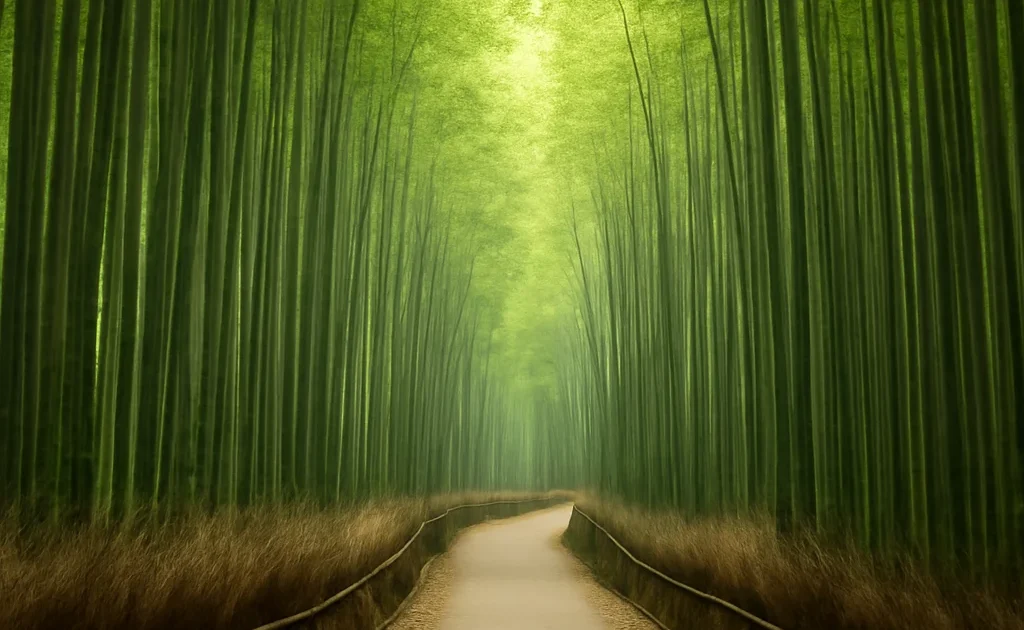
Very Early Morning: Arashiyama Bamboo Grove (7:00–8:30)
First train to Saga-Arashiyama Station (25 minutes from Kyoto Station). Arrive by 7am.
The bamboo grove is a 5-minute walk from the station. At 7am with low light filtering through the bamboo, it’s extraordinary. By 9am it’s tourist crowds and rickshaws.
Morning: Tenryu-ji & Riverside (8:30–11:30)
- Tenryu-ji Temple: UNESCO World Heritage garden. ¥500 for garden only, ¥700 to enter temple. The garden pond with borrowed scenery of Arashiyama mountain behind is classic Kyoto.
- Walk the riverside Togetsu-kyo Bridge area
- Okochi Sanso Villa: The actor Okochi Denjiro’s former estate. ¥1,000 includes matcha and a sweet. Extraordinary views over Kyoto.
Afternoon: Philosopher’s Path & Nanzen-ji (13:00–17:00)
Bus or taxi to the north of Higashiyama.
- Heian Shrine: Large vermillion shrine with an exceptional garden (¥600). Less visited than other major shrines.
- Philosopher’s Path: Walk south from Ginkakuji along the canal. 2km, 40 minutes, beautiful any season.
- Nanzen-ji: One of Kyoto’s most important Zen temples. The Sanmon gate has views over the city. The aqueduct running through the grounds is surprisingly striking — Roman-style brick in medieval Japan.
Evening: Higashiyama Lanes
Walk Ninenzaka and Sannenzaka after 5pm when shops are closing and crowds thin. The stone-paved lanes lit by lanterns at dusk are genuinely beautiful.
—
Day 3 — Kinkaku-ji, Ryoan-ji, Nijo Castle, Kiyomizudera
Morning: Northwestern Temples (9:00–12:30)
These three form a natural circuit in northwest Kyoto.
- Kinkaku-ji (Golden Pavilion): Opens at 9am. Go as early as possible. 30–45 minutes.
- Ryoan-ji (15 minutes walk): Famous rock garden. More peaceful than Kinkaku-ji, more meditative.
- Nijo Castle (bus or taxi): 17th-century shogun castle with nightingale floors. Allow 90 minutes.
Afternoon: Kiyomizudera (14:00–16:30)
Bus to Kiyomizudera. The hillside temple with its famous wooden veranda. Walk back down through Ninenzaka and Sannenzaka for souvenir shopping.
Evening: Farewell Kyoto
Nishiki Market for last-minute food purchases (excellent packaged Kyoto sweets for gifts). Dinner anywhere in the Kawaramachi area.
If departing next morning: pack matcha Kit Kats, Yatsuhashi (Kyoto’s famous cinnamon sweet), and pickled vegetables from Nishiki.
—
Kyoto 3-Day Transport Tips
- IC Card (Suica): Works on all buses and subway
- Day bus pass (¥700): Worth it if taking more than 3 buses in a day
- Taxi: ¥1,000–2,000 for most cross-city rides. Worth it for early morning temple visits when buses haven’t started running
- Bicycle: Best for Days 2 and 3 if weather permits — rent near Kyoto Station (¥1,000–1,500/day)
—
Geisha tea ceremony experiences and guided morning temple tours sell out during cherry blossom (late March–early April) and autumn foliage (mid-November) seasons.
Book Kyoto guided tours & experiences on Klook →
* Affiliate link — we may earn a small commission at no extra cost to you.
Related Guides
Plan Your Trip
- 🎫 Tours & activities — KKday
- 🏨 Hotels — EconomyBookings
- 🚕 Airport transfer — Welcome Pickups
- 📱 eSIM & SIM card — Airalo
- 🚗 Car & scooter rental — Localrent
- ✈️ Flights — Kiwi.com