Introduction
Kanazawa is Japan’s best-kept secret — a city that escaped wartime bombing and retains perfectly preserved samurai and geisha districts, one of Japan’s three great gardens, a world-class contemporary art museum, and a food scene second only to Tokyo and Kyoto. Yet it receives a fraction of those cities’ tourist numbers.
—
Top Sights
Kenroku-en Garden
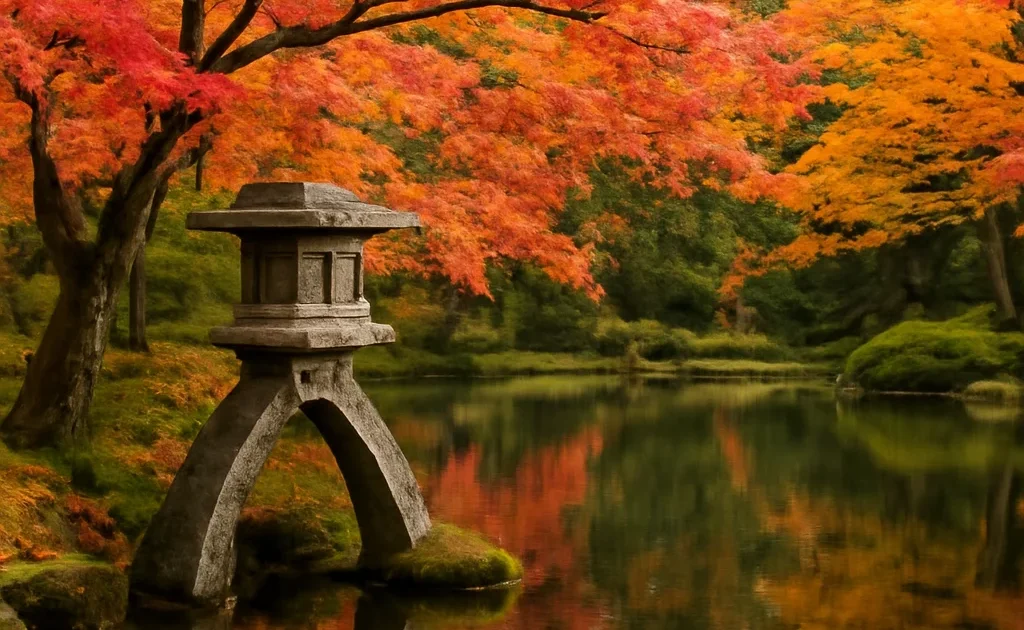
One of Japan’s three great gardens (alongside Koraku-en in Okayama and Kairaku-en in Mito). 11 hectares of seasonal beauty — cherry blossoms in spring, snow-laden pine trees in winter (the distinctive rope supports are an art form in themselves), autumn colors in November.
¥320 entry. Allow 1.5–2 hours.
Higashi Chaya (Geisha District)
The best-preserved geisha district outside Kyoto. Wooden lattice-fronted ochaya (teahouses), stone-paved lanes, gold leaf souvenir shops. More intimate and less photographed than Gion in Kyoto.
Walk freely through the lanes. Several teahouses are open for visits (¥700–1,000).
Nagamachi Samurai District
Stone walls, earthen walls, and samurai residences from the Edo period. The Nomura Samurai House is open to visitors (¥550) — original furnishings and a beautiful garden.
21st Century Museum of Contemporary Art
One of Japan’s finest contemporary art museums. The circular building has no “front” or “back” — art is accessible from all directions. The permanent Leandro Erlich swimming pool installation (seen from below through glass) is famous.
Free for exterior and some installations, ¥1,000 for temporary exhibitions.
Omicho Market
Kanazawa’s historic covered market. The Sea of Japan seafood is extraordinary — snow crab, yellowtail (buri), jumbo shrimp, fresh fish. Many stalls sell sushi and seafood directly.
—
Kanazawa Food
Kanazawa is Japan’s greatest underrated food city. The Sea of Japan seafood combined with Kaga cuisine (the local culinary tradition) creates exceptional dining.
Must eat: Snow crab (kani) in season (November–March), jibuni (Kaga stewed duck), kanazawa curry (thick, sweet, distinctly local), gold leaf soft serve ice cream.
Gold leaf: Kanazawa produces 99% of Japan’s gold leaf. Expect gold leaf on everything — sweets, soft serve, sake, cosmetics.
—
Getting to Kanazawa
From Tokyo: Hokuriku Shinkansen Kagayaki (2.5 hours, ¥14,120, covered by JR Pass with Hakutaka service). The fastest and most practical connection.
From Osaka/Kyoto: Limited express Thunderbird to Fukui then Shinkansen (total ~2.5 hours) or direct Thunderbird (2.5 hours from Osaka).
—
Kanazawa geisha district tea ceremony experiences and Kenroku-en tours with gold leaf workshops are bookable on Klook.
Book Kanazawa tours & day trips on Klook →
* Affiliate link — we may earn a small commission at no extra cost to you.
Plan Your Trip
- 🎫 Tours & activities — KKday
- 🏨 Hotels — EconomyBookings
- 🚕 Airport transfer — Welcome Pickups
- 📱 eSIM & SIM card — Airalo
- 🚗 Car & scooter rental — Localrent
- ✈️ Flights — Kiwi.com