What Is Sake?
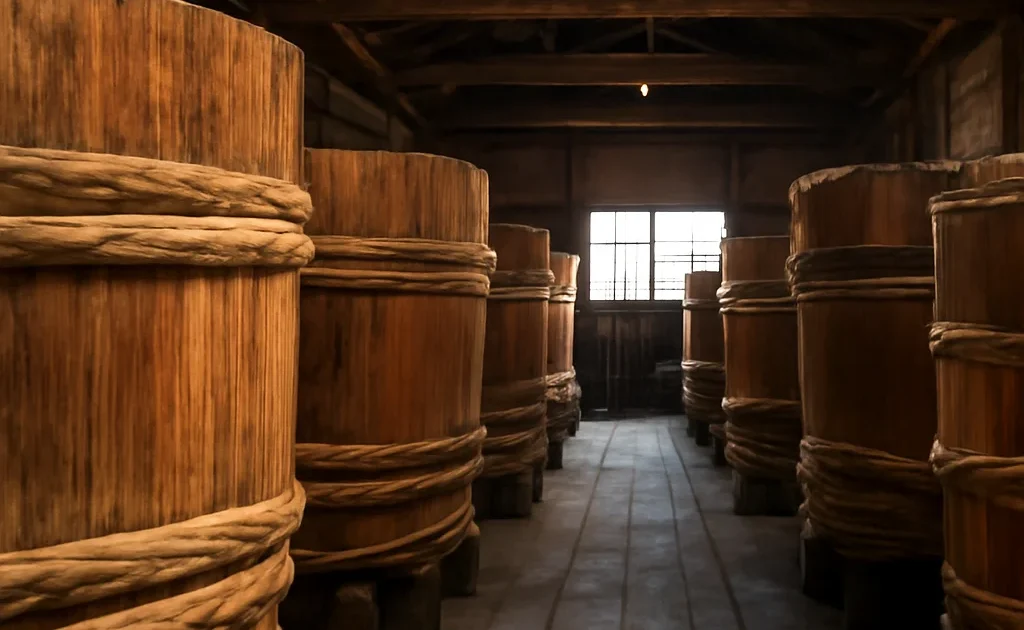
Sake (日本酒) is Japan’s national alcoholic drink — a fermented rice beverage with origins dating back at least 2,000 years. Unlike beer (grain fermented with yeast) or wine (fruit fermented with yeast), sake uses a parallel fermentation process involving koji mold. The result is a complex drink ranging from light and fruity to rich and earthy.
—
Types of Sake
Junmai (純米): Pure rice sake — no added distilled alcohol. Richer, more savory.
Ginjo (吟醸): Made with rice polished to at least 60% of its original size. Lighter, fruitier, more fragrant.
Daiginjo (大吟醸): Premium grade — rice polished to 50% or less. The most delicate and complex.
Junmai Daiginjo: Pure rice + premium polishing. The highest category.
Nigori (にごり): Cloudy sake. Unfiltered, with rice particles remaining. Sweeter and creamier.
Sparkling sake: Carbonated. A relatively modern style. Good entry point.
Warm sake (atsukan): Heating emphasizes different flavor compounds. Works best with earthier, richer junmai styles.
—
Best Sake Regions
Niigata: Known for clean, crisp sake (tanrei karakuchi). Cold winters and excellent rice produce delicate, dry styles. Ponshukan sake museum in Niigata city lets you sample from hundreds of local labels.
Kyoto (Fushimi): Second most important sake region. Softer water produces rounder, more approachable styles. Gekkeikan sake museum near Fushimi Inari.
Hyogo (Nada): Largest production region. Harder “Miyamizu” water produces drier, more masculine styles. Major brands: Hakutsuru, Kiku-Masamune.
Yamagata: Emerging premium region. Excellent Daiginjo production.
—
Sake Brewery Visits
Many sake breweries (kura) offer tours and tastings:
Nishida Shuzo (Aomori): Remote but extraordinary — their “Denshin” brand is internationally celebrated.
Fukumitsuya (Kanazawa): Excellent Kanazawa brewery. Stunning tasting room, available for tours.
Kyoto Brewery area (Fushimi): Multiple breweries concentrated around Fushimi Inari. Walk between them.
Akita Sake breweries: The northern prefecture has many excellent traditional breweries.
—
How to Order Sake in Japan
By grade: Ask for junmai (純米) for pure rice, ginjo (吟醸) for lighter styles, daiginjo (大吟醸) for premium.
Temperature: Reishu (冷酒) = cold. Joo on (常温) = room temperature. Atsukan (熱燗) = warm.
Size: Tokkuri (徳利) = ceramic carafe. Ochoko (お猪口) = small ceramic cup. Masu (枡) = square wooden box.
—
Sake brewery tours in Fushimi (Kyoto) and Niigata are bookable on Klook — includes tasting from multiple local labels.
Plan Your Trip
- 🎫 Tours & activities — KKday
- 🏨 Hotels — EconomyBookings
- 🚕 Airport transfer — Welcome Pickups
- 📱 eSIM & SIM card — Airalo
- 🚗 Car & scooter rental — Localrent
- ✈️ Flights — Kiwi.com