The honest alternative to the overnight train
Thailand’s overnight bus network covers routes the train doesn’t, and it’s significantly cheaper on most routes. Bangkok to Phuket, Bangkok to Chiang Rai, Bangkok to Pai — buses handle these well. Here’s what to actually expect.
VIP bus vs standard — this matters
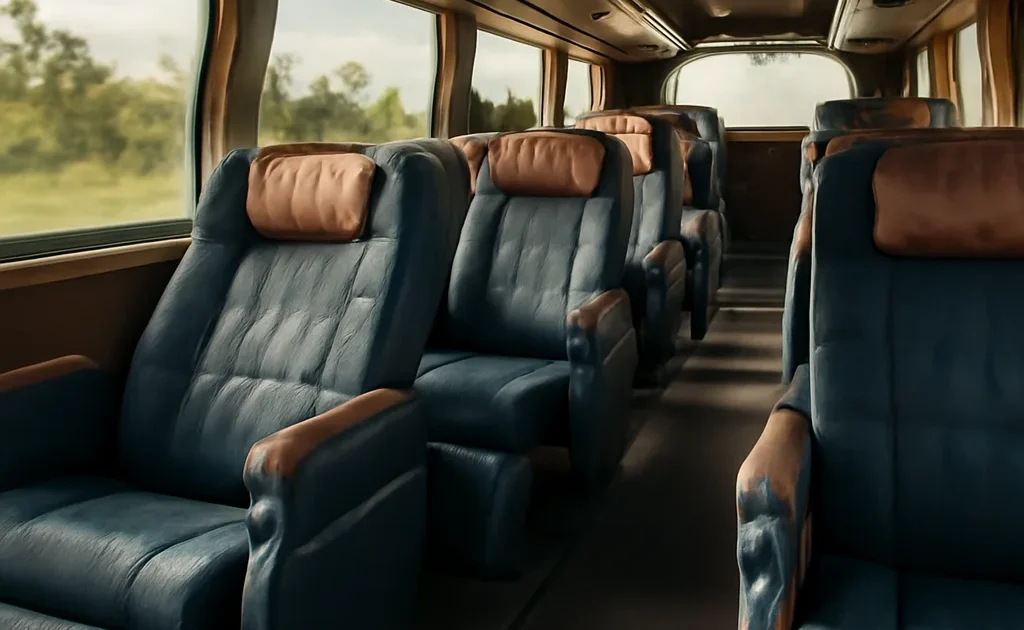
The difference between VIP and standard bus is significant and worth the extra ฿100–200. VIP buses typically have wider seats that recline further, better air conditioning control, fewer passengers, and sometimes a small snack or blanket. Standard buses are fine but the seats are tighter and the guy next to you may recline into your lap.
For anything over 6 hours, I always pay for VIP. For shorter routes it’s less important.
The air conditioning problem
Thai overnight buses are famously freezing. The drivers crank the AC to what feels like 16°C regardless of outside temperature. I’ve seen people in shorts and t-shirts shivering at 2am. Always bring a layer or a light blanket — this isn’t optional advice.
Where to book
Mo Chit (Northern Bus Terminal) for Chiang Mai, Chiang Rai, and northern routes. Ekkamai (Eastern Bus Terminal) for eastern Thailand and Cambodia border. Southern Bus Terminal for Phuket, Krabi, and southern destinations. All three are accessible by BTS or taxi.
Book online through Redbus, 12Go Asia, or at the terminal. For popular routes (Bangkok–Chiang Mai, Bangkok–Phuket) book 2–3 days ahead. Klook has good options for pre-booking with English support.
A note on arrival times
Overnight buses often arrive at 4–6am — before most guesthouses allow early check-in. Know this going in and either book accommodation with early check-in, plan to wait at a café, or just embrace the early arrival and use it to beat the crowds to wherever you’re going.
Plan Your Trip
- 🎫 Tours & activities — KKday
- 🏨 Hotels — EconomyBookings
- 🚕 Airport transfer — Welcome Pickups
- 📱 eSIM & SIM card — Airalo
- 🚗 Car & scooter rental — Localrent
- ✈️ Flights — Kiwi.com