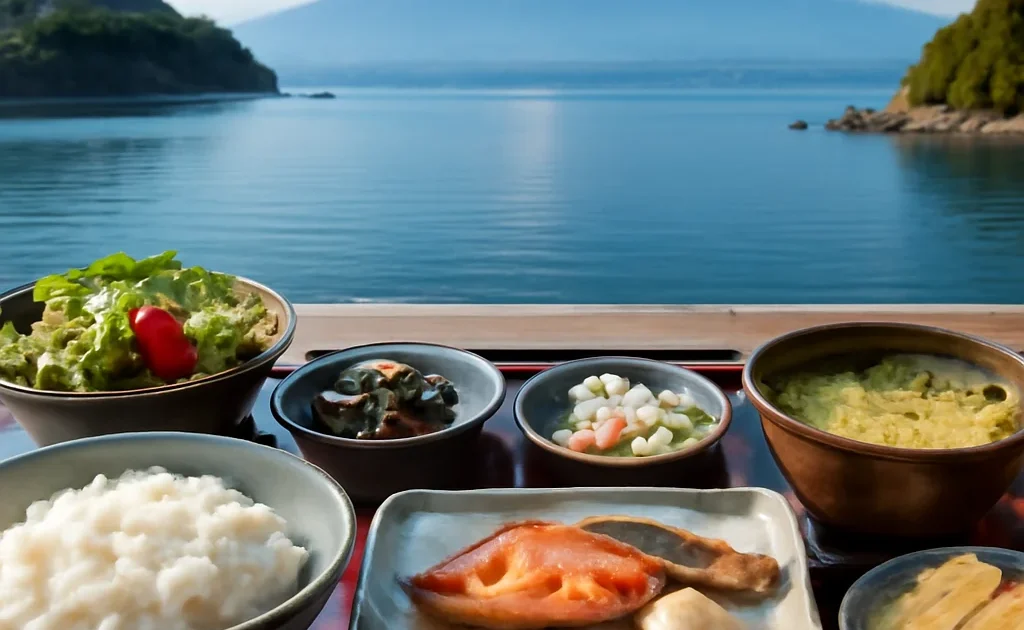
Japan’s Food Culture
Japan has more Michelin-starred restaurants than any other country. Food is a national obsession — eaten with deep attention, sourced with precision, and refined over centuries. Here’s everything you need to navigate it.
Ramen
Wheat noodles in broth — Japan’s most comforting food. Regional styles: tonkotsu (Fukuoka), shoyu (Tokyo), miso (Sapporo), shio/salt (Hakodate). ¥800–1,500 at a specialist shop.
Sushi
Not just raw fish — the vinegared rice is the key element. Types: nigiri (hand-pressed), maki (roll), temaki (hand roll), chirashi (scattered over rice). Conveyor belt (¥110/plate) to omakase (¥30,000+).
Ramen vs Udon vs Soba
Ramen = wheat noodles in rich broth. Udon = thick white wheat noodles, mild broth. Soba = thin buckwheat noodles, delicate flavor, best eaten cold in summer.
Regional Food Specialties
Osaka: takoyaki, okonomiyaki | Kyoto: kaiseki, yudofu, tsukemono | Tokyo: monjayaki | Hiroshima: oysters, okonomiyaki with noodles | Hokkaido: crab, dairy, miso ramen | Okinawa: champuru, rafute pork | Fukuoka: tonkotsu ramen, mentaiko
Vegetarian in Japan
Challenging but possible. Buddhist temple cuisine (shojin ryori) is entirely vegetarian. Convenience stores have increasing vegetarian options. Learn to say “niku nashi de” (without meat) and “dashi nuki de” (without fish stock) — the latter being the hidden challenge as dashi fish stock is in many “vegetarian” soups.
Plan Your Trip
- 🎫 Tours & activities — Klook
- 🏨 Hotels — EconomyBookings
- 🚕 Airport transfer — Welcome Pickups
- 📱 eSIM & SIM card — Airalo
- 🚗 Car & scooter rental — Localrent
- ✈️ Flights — Kiwi.com