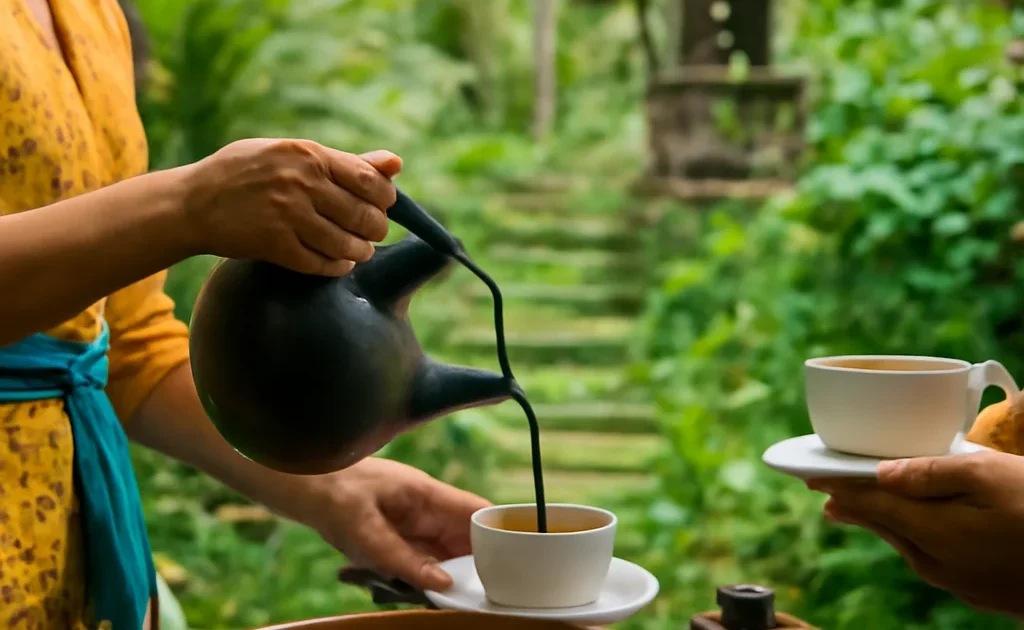
The coffee that needs context
Kopi luwak — coffee made from beans that have passed through the digestive system of a civet cat — is one of Bali’s most marketed tourist experiences. Every coffee plantation tour includes it. It’s served with great ceremony. It costs IDR 150,000–500,000 for a small cup. And the ethics of it are complicated enough that you should know about them before deciding whether to try it.
Why it’s controversial
In the wild, Asian palm civets eat ripe coffee cherries selectively and the fermentation process inside the civet genuinely does change the bean’s flavor. The problem: the majority of kopi luwak sold in Bali comes from civets kept in small cages on coffee plantation “tours,” fed coffee cherries as their primary diet. This is not their natural behavior and the conditions are often poor. The coffee you’re tasting may be from a miserable animal rather than a free-ranging wild one.
The tasting note reality
Good kopi luwak from verified wild sources is supposed to be smooth and less bitter than regular coffee, with a distinctive earthy note. The plantation versions I’ve tasted ranged from fine to indistinguishable from any other decent Bali arabica. I’ve spoken to Indonesian coffee experts who say the coffee’s quality has much more to do with the roasting and brewing than with the civet.
What to do instead
Bali has genuinely excellent coffee from the Kintamani highlands — clean, high-altitude arabica with good acidity and no ethical baggage. The specialty coffee scene in Ubud and Canggu (Seniman Coffee Studio in Ubud, Coffee Cartel in Canggu) serves exceptional Balinese beans. IDR 35,000–60,000 for a well-made cup, and no cage involved.
Plan Your Trip
- 🎫 Tours & activities — Klook
- 🏨 Hotels — EconomyBookings
- 🚕 Airport transfer — Welcome Pickups
- 📱 eSIM & SIM card — Airalo
- 🚗 Car & scooter rental — Localrent
- ✈️ Flights — Kiwi.com