I got it wrong on day one
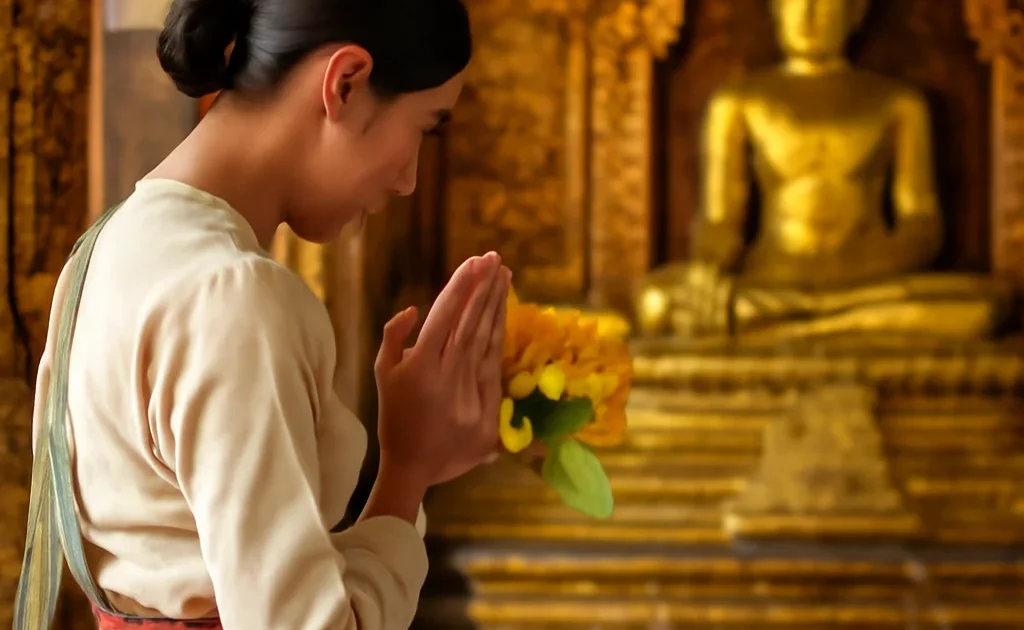
My first morning in Thailand I walked into a temple in shorts and a tank top. A very patient volunteer handed me a sarong without saying a word. I tied it wrong. She fixed it, still silently. That was my introduction to Thai politeness — corrections delivered so gently you barely register them.
Thai culture rewards observation more than any other country I’ve visited. Watch before you do. It pays off.
The smile is real, but it’s complicated
Thailand is called the Land of Smiles for a reason — people genuinely are warm and welcoming. But the smile also functions as a social tool. A smile when something goes wrong isn’t dismissal — it’s a way of maintaining harmony while acknowledging a problem. Don’t mistake it for indifference.
The concept of “saving face” is genuinely important. Direct confrontation or public criticism makes everyone uncomfortable. If something’s wrong with your food or room, a quiet, polite word works far better than getting loud about it. I learned this the hard way after making a scene at a guesthouse over a broken fan. The fan stayed broken for two more days.
Locals vs tourists at temples
Tourists visit temples like museums. Locals visit them like… temples. People are actually praying, making offerings, consulting with monks. Wat Pho in Bangkok gets 8,000 tourists a day but also has genuine religious activity happening throughout. Moving respectfully through those spaces — quietly, not using flash photography during ceremonies — means a lot more than most tourists realize.
The King is not a casual topic
Lèse-majesté laws in Thailand are real and enforced. Foreign tourists have been arrested. Don’t make jokes about or criticize the royal family, even privately in public spaces. This isn’t the place to test free speech principles.
Food culture is social culture
Thai meals are meant to be shared — multiple dishes ordered for the table, not individual plates. Ordering one dish for yourself at a local restaurant signals you don’t really understand the culture. Order two or three things and share them. Even solo travelers often find locals inviting them to join tables.
The other thing: eating is an all-day activity. There’s no concept of “meal times” the way Westerners have. Thais eat when they’re hungry, which means street food at 10am or midnight is completely normal. Lean into it.
What’s changed recently
Since 2024, Thailand has extended its visa-free stay to 60 days for most Western nationalities. This is genuinely transformative for longer trips — no more 30-day scrambles or border runs. If you’ve been thinking about spending a real stretch of time here, now’s the time.
Plan Your Trip
- 🎫 Tours & activities — Klook
- 🏨 Hotels — EconomyBookings
- 🚕 Airport transfer — Welcome Pickups
- 📱 eSIM & SIM card — Airalo
- 🚗 Car & scooter rental — Localrent
- ✈️ Flights — Kiwi.com