Yes, but less than it used to be
Vietnam has been “cheap” for so long that the reputation has outlasted the reality in some areas. Post-pandemic, tourist-area prices have risen meaningfully, high-end accommodation has gotten genuinely expensive, and the “budget Vietnam” experience requires more effort to find than it used to. Here’s what things actually cost.
Where Vietnam is still genuinely cheap
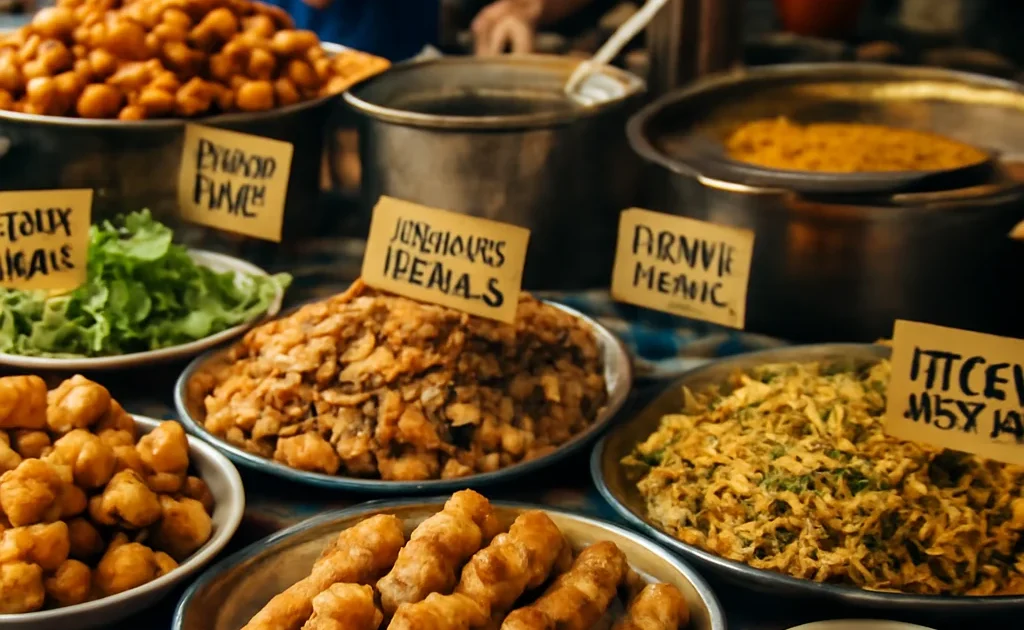
Street food: still $1–3 for excellent meals. Local transport (Grab within cities): still 50,000–150,000 VND for most journeys. Domestic flights: frequently $25–50 if booked ahead. Beer (bia hoi): still 10,000–15,000 VND per glass. Entry fees to attractions: generally 30,000–200,000 VND. These things are remarkably cheap by any standard.
Where prices have increased
Ha Long Bay cruises: decent quality now starts around $130–150/night, vs $80–100 a few years ago. Hoi An accommodation: $40–80/night for a decent guesthouse in peak season, up significantly. Tourist restaurants with English menus in main tourist areas: 150,000–300,000 VND per dish, much more than street food. Some heritage site entry fees have increased sharply.
The tourist vs local price gap
Vietnam has a clear two-tier pricing reality: tourist-oriented prices for foreigners, local prices for Vietnamese. The gap is most obvious in tourist areas and is shrinking but still exists. Eating where locals eat rather than where tourists eat saves 50–70% on food costs. Using Grab rather than tourist taxis saves a similar proportion on transport.
Realistic daily budget
Budget (eating local, hostel dorms, public transport): $25–40/day. Mid-range (private rooms, mix of restaurant types, Grab): $50–80/day. Comfortable (good hotels, tours, eating where you want): $100–150/day.
Plan Your Trip
- 🎫 Tours & activities — Klook
- 🏨 Hotels — EconomyBookings
- 🚕 Airport transfer — Welcome Pickups
- 📱 eSIM & SIM card — Airalo
- 🚗 Car & scooter rental — Localrent
- ✈️ Flights — Kiwi.com