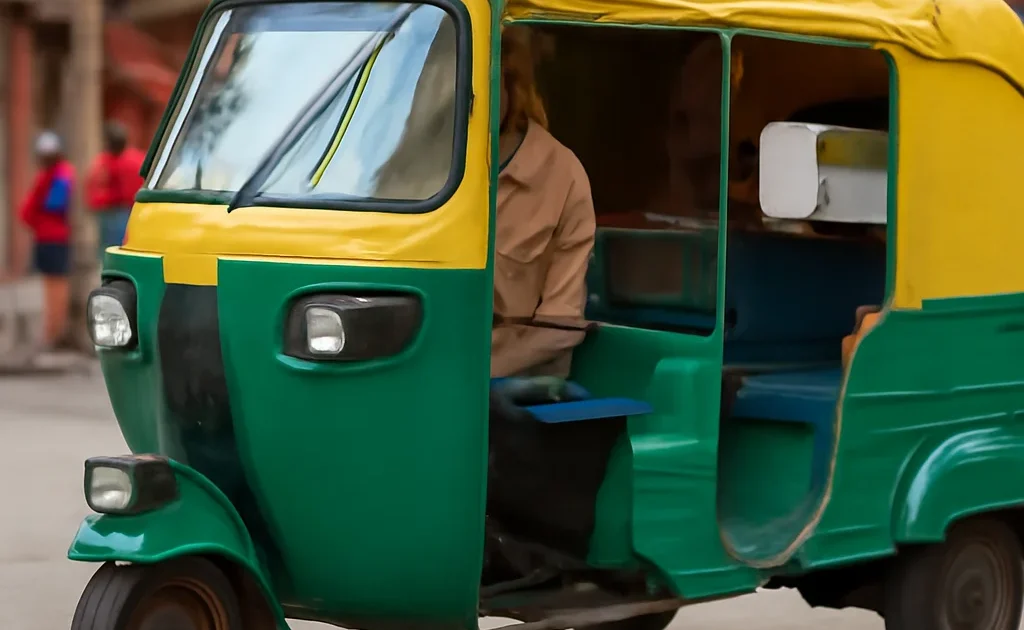
The three-wheeled negotiation is a daily feature of Indian cities
The auto-rickshaw — a three-wheeled motorized vehicle — is one of India’s most iconic and most frustrating transport modes. In cities with metered autos (Delhi, Mumbai, Bangalore), the system is more straightforward. In cities that rely on negotiated fares (most of India), knowing the game before you play it matters.
Metered cities: insist on the meter
Delhi, Mumbai, and Bangalore all have metered autos legally. Getting drivers to actually use the meter requires either confidence (“meter, please”) or using Ola/Uber which prices the trip before you get in. The meter is almost always cheaper than a negotiated fare. If a driver refuses the meter, find another.
Negotiated cities: know the approximate price before you get in
Research the reasonable fare for your journey before hailing an auto. Ask your hotel or guesthouse — they know the local rates. Quote the fair price first rather than waiting to hear the driver’s opening gambit. You can negotiate from there. The first quote to a foreign tourist is typically 2–3x the fair rate.
Ola and Uber
Both operate extensively in Indian cities and have largely transformed the negotiation dynamic — fixed prices, GPS tracking, driver rating. Ola is the Indian equivalent and slightly more widely available. Using these for anything above a short hop makes sense in cities where they’re available. Rural areas and smaller towns rely on negotiated autos.
Shared autos
Many Indian cities have shared auto routes — fixed routes, multiple passengers, fraction of the private hire price. In cities you know well, these are excellent value. Ask locals whether a shared auto goes to your destination and what it costs — usually ₹10–20 per person for city distances.
Plan Your Trip
- 🎫 Tours & activities — Klook
- 🏨 Hotels — EconomyBookings
- 🚕 Airport transfer — Welcome Pickups
- 📱 eSIM & SIM card — Airalo
- 🚗 Car & scooter rental — Localrent
- ✈️ Flights — Kiwi.com