The meal that Hong Kong does better than anywhere
Dim sum in Hong Kong is not the same as dim sum anywhere else. The technique, the freshness, the speed of service, and the specific Hong Kong yum cha culture (drinking tea while eating small dishes served from trolleys or ordered on forms) make dim sum in Hong Kong its own distinct experience.
How it works
Traditional dim sum is served mornings and lunchtimes, rarely evenings. Large restaurants serve it from trolleys pushed by women who call out dish names as they pass — you wave them over and choose. Modern restaurants use order forms instead. Both types are excellent. Busy local restaurants are always better than tourist-facing ones.
Essential dishes
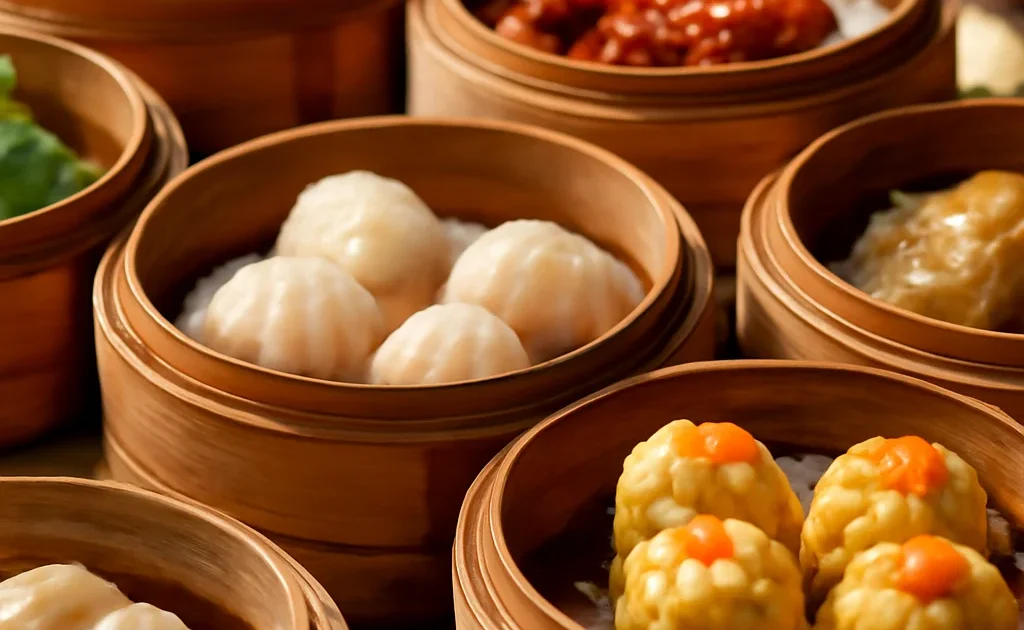
Har gow (shrimp dumplings): translucent rice flour wrappers, whole shrimp inside — the test of any dim sum kitchen. Skins should be thin and slightly chewy, shrimp should be plump and fresh.
Siu mai (pork and prawn open dumplings): the classic; topped with roe or carrot.
Char siu bao: BBQ pork in a steamed white bun or baked golden bun — the baked version is my preference.
Cheung fun (rice noodle rolls): rice paper wrapped around various fillings (shrimp, pork, beef) with sweet soy sauce.
Where to go
Tim Ho Wan (multiple locations): Michelin-starred dim sum at HKD 30–50 per basket. The original branch in Sham Shui Po is smaller and worth the queue.
Lin Heung Tea House (Wellington Street): old-school trolley service, beloved by locals, no English menu — point and smile. The roasted pork and prawn dim sum here are exceptional.
Plan Your Trip
- 🎫 Tours & activities — Klook
- 🏨 Hotels — EconomyBookings
- 🚕 Airport transfer — Welcome Pickups
- 📱 eSIM & SIM card — Airalo
- 🚗 Car & scooter rental — Localrent
- ✈️ Flights — Kiwi.com