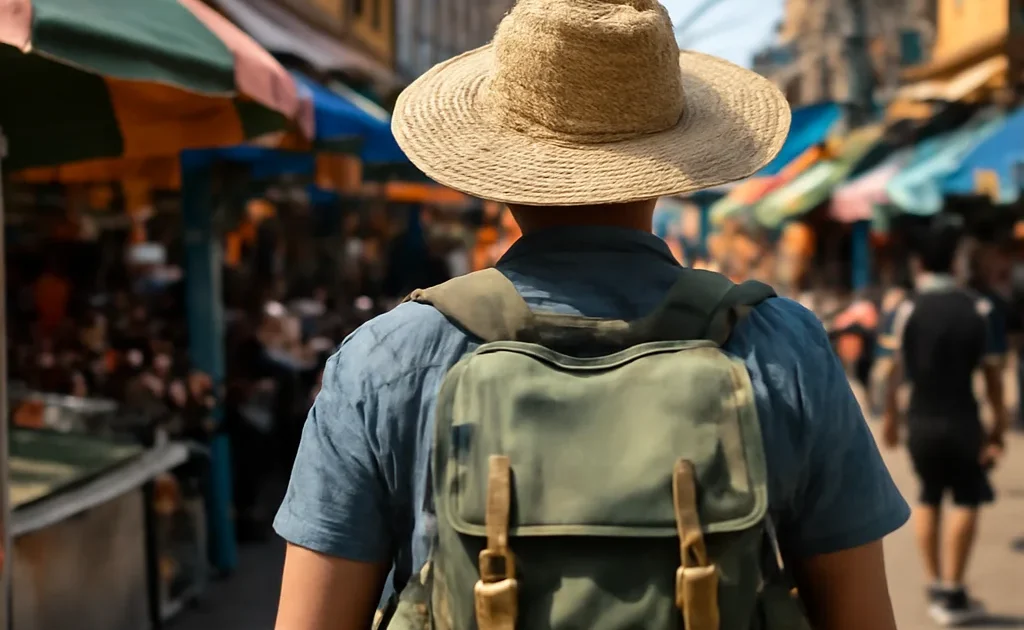
It’s safer than you think in most ways, riskier in specific ways
Southeast Asia has a reputation in some quarters as dangerous for travelers. This is largely undeserved — violent crime against tourists is rare, and most cities in Thailand, Vietnam, and Indonesia are safer for a solo traveler than equivalent cities in the USA or Western Europe.
The real risks are different: road accidents, petty theft, food/water illness, and occasionally scams. Understanding which risks are actual helps you prepare appropriately rather than being generally anxious.
Road safety: the serious one
Southeast Asia has among the world’s highest motorbike fatality rates. Renting and riding in countries where you don’t have riding experience, on roads you don’t know, is genuinely dangerous. This is not hyperbole — regional hospitals see injured tourists daily. Wear a helmet, don’t ride drunk, ride within your skill level. If you’re not confident, hire a driver.
Food and water
Bottled water in most of mainland Southeast Asia except Singapore. Bali: don’t even brush teeth with tap water in some areas. Street food is generally safe if it’s cooked fresh in front of you and served hot. The main risk is from sitting food — things that have been sitting out in heat. High turnover stalls (big queues, constant cooking) are the safest bet.
Petty theft
Phone snatching from scooters is a real problem in Vietnamese cities — keep your phone in a bag or pocket rather than holding it while walking. Bag snatching in beach areas. Use hotel safes for passports and extra cash. These are manageable with basic awareness rather than requiring constant vigilance. — book via Kiwi.com for the best deal.
Plan Your Trip
- 🎫 Tours & activities — Klook
- 🏨 Hotels — EconomyBookings
- 🚕 Airport transfer — Welcome Pickups
- 📱 eSIM & SIM card — Airalo
- 🚗 Car & scooter rental — Localrent