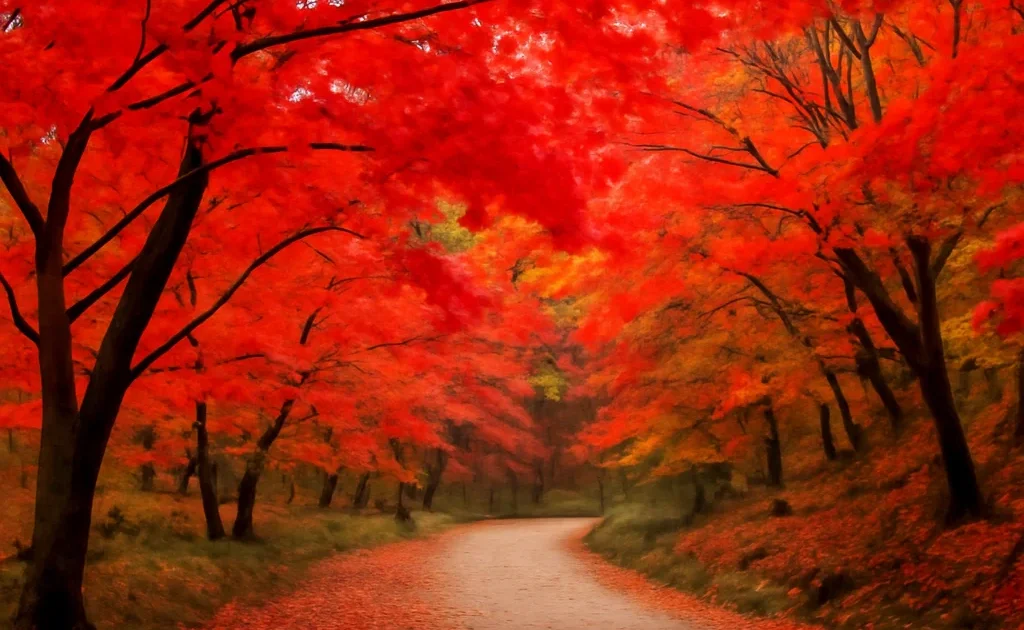
Korea’s fall foliage deserves its own trip
South Korea’s autumn colors (단풍, danpung) arrive from late September in the mountains and move south through October–November. The combination of temple complexes, mountain landscapes, and the specific Korean autumn palette — particularly the ginkgo trees that line Seoul’s city streets — makes this one of Northeast Asia’s great seasonal events.
Timing and sequence
Seoraksan National Park (northeast of Seoul): late September to mid-October. Peak is typically the second week of October. Mt. Jiri (south coast): mid-to-late October. Naejangsan National Park (southwest): late October to early November — famous for maple tunnels and often called Korea’s most spectacular autumn destination. Seoul’s palaces and parks: late October to mid-November.
Best spots
Naejangsan National Park: The maple-covered valley is genuinely extraordinary at peak color — the reds are brighter than any autumn I’ve seen in Japan. A 2-hour bus from Jeonju or Gwangju. Plan for weekends to be very crowded.
Seoraksan: More dramatic mountain scenery, mixed colors including yellows from birch trees. Cable car up Gwongeumseong adds an elevated perspective.
Gyeongbokgung Palace, Seoul: The ginkgo tree avenue along Sejongno turns brilliant yellow in November — one of Seoul’s most photographed seasonal moments.
Getting around
Korea’s intercity bus and train network makes autumn foliage travel easy — KTX from Seoul to Jeonju (for Naejangsan connection) takes 1h50min. Renting a car to access multiple national parks in a day makes geographic sense.
Plan Your Trip
- 🎫 Tours & activities — Klook
- 🏨 Hotels — EconomyBookings
- 🚕 Airport transfer — Welcome Pickups
- 📱 eSIM & SIM card — Airalo
- 🚗 Car & scooter rental — Localrent
- ✈️ Flights — Kiwi.com