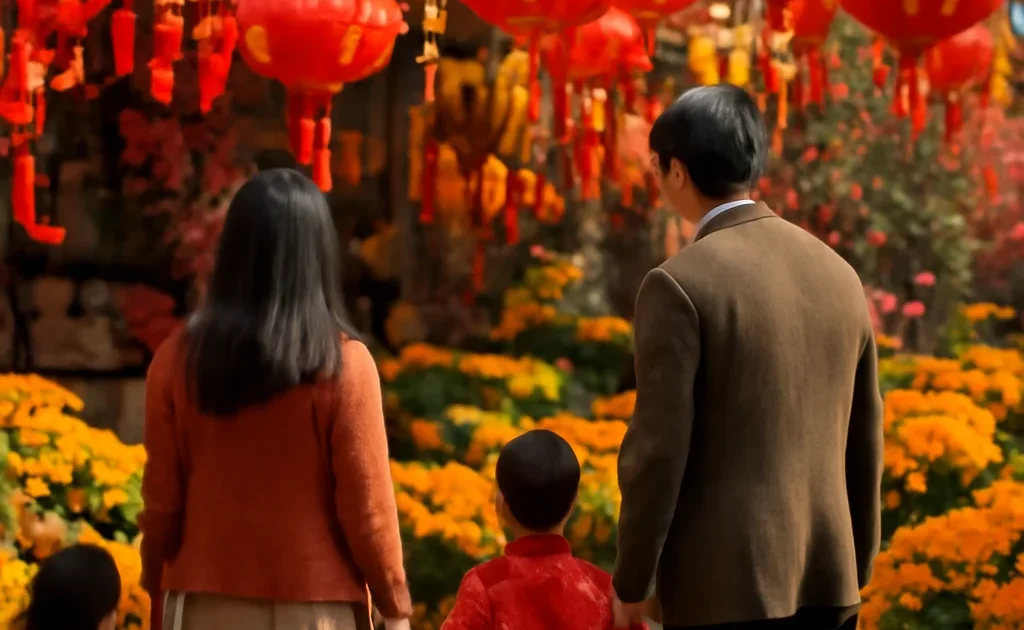
The world’s largest annual human migration
Lunar New Year (Chinese New Year, Tết in Vietnam, Seollal in Korea) is Asia’s most significant holiday — and its most disruptive for travel. A billion people travel simultaneously in China; millions across Southeast Asia return to hometowns. Understanding the impact on your trip determines whether you see it as a feature or a bug.
When it happens
Lunar New Year falls on the second new moon after the winter solstice — typically late January to mid-February. The exact date shifts annually. 2025: January 29. 2026: February 17. Most countries celebrate for 3–15 days around the date, with actual public holidays varying.
Countries most affected
China: Essentially shuts down for a week. Transport is fully booked for weeks before and after the festival. Tourist sites are enormously crowded. Either plan around it entirely or embrace the spectacle.
Vietnam (Tết): The biggest holiday. Everything closes for 3–7 days. Street food vendors, restaurants, shops — most close. Tourist infrastructure stays open but reduced. The Tết celebrations themselves (fireworks, flower markets, family rituals) are extraordinary to observe.
South Korea: Seollal is a major 3-day holiday. Domestic transport fully booked. Many businesses close. Seoul itself can feel quiet as residents return to their hometowns.
Singapore and Malaysia: Chinese New Year is celebrated but less disruptive — tourist infrastructure remains functional.
The celebrations worth seeing
Hanoi’s flower markets in the days before Tết. Singapore’s Chinatown light displays. Hong Kong’s Victoria Harbour fireworks. These are genuinely extraordinary if you build your trip around experiencing rather than avoiding them.
Plan Your Trip
- 🎫 Tours & activities — Klook
- 🏨 Hotels — EconomyBookings
- 🚕 Airport transfer — Welcome Pickups
- 📱 eSIM & SIM card — Airalo
- 🚗 Car & scooter rental — Localrent
- ✈️ Flights — Kiwi.com